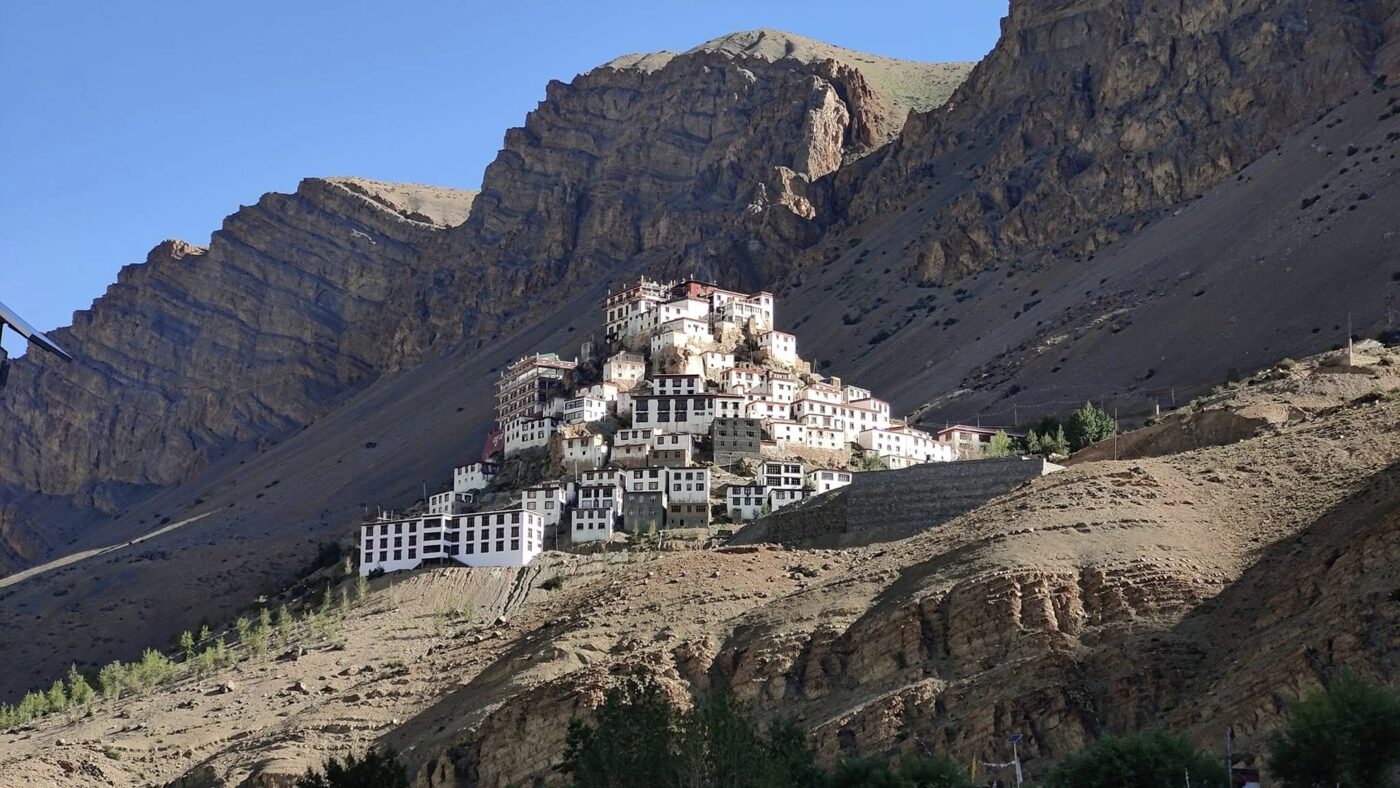
Nestled in the remote edges of Himachal Pradesh, Spiti Valley lies in the cold desert region of the western Himalayas. With minimal rainfall, stark landscapes and almost no vegetation, Spiti feels raw, untouched and dramatically challenging.
Spiti is often described as remote and difficult to access It’s not just a destination, it’s an experience. The vibe of Spiti is shaped by isolation, silence and scale. With limited public transport and vast distances between villages, having your own vehicle gives you the flexibility to truly experience the valley.

As a solo traveler and backpacker, I’ve never actually done a full road trip across Spiti. I’ve always relied on the buses of Himachal Road Transport Corporation to get around. But after multiple visits, I’ve formed a clear understanding of what works, what doesn’t and how to make the most of a Spiti journey, whether you’re driving yourself or not.
Routes to Spiti Valley: Manali vs Shimla–Kinnaur
There are two main routes to reach Spiti Valley, and choosing the right one can define your entire experience.
Via Manali
This is the more direct route, often preferred by those short on time or looking for a more adventurous drive. You cross high-altitude passes like Kunzum Pass early in the journey, which means you gain altitude very quickly.
- Roads are rough, with water crossings and broken patches
- Weather can change suddenly
- Higher chances of altitude sickness due to rapid ascent
This route feels dramatic right from the start, but it can also be physically demanding if your body isn’t acclimatised.

Via Shimla – Kinnaur
This is the longer but more balanced route. The journey gradually transitions from the green hills of Shimla to the rocky landscapes of Kinnaur and finally into the stark desert of Spiti.
- Gradual altitude gain helps with acclimatisation
- Roads are comparatively better (though still mountain roads)
- More scenic variation along the way
You also get to explore places like Kalpa, Sangla and Nako, which add depth to the journey rather than just rushing to Spiti.
Which One Should You Choose?
If this is your first time in Spiti, the Shimla–Kinnaur route is the safer and more rewarding option. It prepares your body and lets you ease into the landscape.
Recommendation: Start via Shimla–Kinnaur and exit via Manali. This way, you get the best of both worlds, a gradual ascent on the way in and a dramatic, adventure-filled exit.
15-Day Spiti Valley Road Trip Itinerary
A flexible 15-day plan that balances travel and exploration across Spiti Valley. This route is designed to move gradually, giving your body time to acclimatise while also allowing you to spend meaningful time at each stop instead of rushing through the journey.
Day 1–2: Shimla ? Sarahan
The journey begins with a scenic drive from Shimla into the deeper Himalayas, eventually reaching Sarahan, a quiet village that offers a soft introduction to mountain life and altitude.
Top experiences:
- Visit Bhimakali Temple, known for its intricate wood-stone architecture and spiritual significance
- Walk through apple orchards and interact with locals
- Enjoy views of the Shrikhand Mahadev range
Public transport tip: Regular buses by Himachal Road Transport Corporation connect Shimla to Sarahan (via Jeori), though the last stretch may require a shared taxi.

Day 3–4: Sarahan ? Kalpa
As you move further into Kinnaur, the landscape begins to shift, with dramatic cliffs, river valleys and traditional wooden houses defining the region. Kalpa is one of the most beautiful stays on this route and worth slowing down for.
Top experiences:
- Watch sunrise over the Kinnaur Kailash range, where the light changes dramatically across the peaks
- Visit Roghi village, known for its cliffside roads and views
- Explore monasteries and traditional Kinnauri architecture
Public transport tip: Buses run between Sarahan and Reckong Peo, from where Kalpa is a short taxi ride. Direct buses are limited, so planning connections is important.
Day 5: Kalpa ? Tabo
This is one of the longest yet most visually striking drives, as you leave behind greenery and enter the stark, high-altitude desert of Spiti.
Top experiences:
- Visit Tabo Monastery, often called the “Ajanta of the Himalayas,” known for its ancient murals and mud structures
- Explore meditation caves carved into the surrounding hills
- Observe the dramatic shift in landscape from green valleys to barren mountains
Public transport tip: HRTC buses operate between Reckong Peo and Kaza, stopping at Tabo. It’s a long journey, but one of the most scenic bus rides you can take.
Day 6–7: Tabo ? Kaza

Kaza serves as the main hub of Spiti, where roads branch out to multiple high-altitude villages, making it the ideal base to pause and explore.
Top experiences:
- Visit Key Monastery, dramatically perched on a hilltop
- Explore Kibber Village, known for its high-altitude setting
- Spend time in local cafés and markets, soaking in the slow pace of life
Public transport tip: Regular buses and shared taxis connect Tabo and Kaza, and Kaza itself has decent connectivity to nearby villages.
Day 8–10: Langza – Hikkim – Komic Circuit
These villages represent the essence of Spiti, remote, high-altitude and deeply rooted in Buddhist culture. Spending multiple days here allows you to truly experience the rhythm of life.
Langza (Langza):
- Visit the giant Buddha statue overlooking the valley
- Explore fossil-rich terrain, once part of an ancient seabed
Hikkim (Hikkim):
- Send a postcard from one of the world’s highest post offices
Komic (Komic):
- Visit Tangyud Monastery
- Experience life in one of the highest motorable villages
Public transport tip: Limited buses run from Kaza towards these villages, but frequency is low. Shared taxis are more reliable if you are not driving.
Day 11: Kaza ? Pin Valley
Pin Valley offers a softer, greener contrast to Spiti’s rugged terrain, with wider valleys and a quieter atmosphere.
Top experiences:
- Stop at Dhankar Monastery en route, perched dramatically above the confluence of rivers
- Visit Mudh village, the last motorable point in the valley
- Explore parts of Pin Valley National Park
Public transport tip: A daily bus connects Kaza to Mudh in Pin Valley, making it accessible even without a private vehicle.
Day 12: Kaza ? Losar
Losar is a small, quiet village that acts as a natural pause before crossing into higher passes. Spending a night here helps with acclimatisation.
Top experiences:
- Walk through the village and interact with locals
- Experience simple homestay life
Public transport tip: Buses from Kaza to Manali pass through Losar, so it can be used as a stopover even without a private vehicle.
Day 13: Losar ? Chandratal Lake
The journey to Chandratal is rough but rewarding, leading you to one of the most stunning high-altitude lakes in the Himalayas.
Top experiences:
- Walk to the crescent-shaped lake and watch its changing colors
- Camp overnight under clear, star-filled skies
Public transport tip: No direct buses go to Chandratal. You’ll need to get down on the main road and either hitch a ride or walk the final stretch.
Day 14: Chandratal ? Manali

This stretch is one of the most adventurous parts of the journey, with river crossings, broken roads and constantly changing terrain.
Top experiences:
- Cross Kunzum Pass
- Experience the transition from barren Spiti to the greener landscapes near Manali
Public transport tip: HRTC buses run between Kaza and Manali during the season, though the journey can be long and unpredictable depending on road conditions.
Day 15: Buffer / Return

Keeping a buffer day is essential in Spiti, where weather, road conditions or even your own pace can shift plans. It gives you the flexibility to adapt without rushing.
This itinerary is less about ticking off destinations and more about allowing the journey to unfold gradually, whether you’re driving yourself or relying on public transport.
Hiring a Driver: What to Know
If you’re not confident driving in high-altitude terrain, hiring a local driver can completely change your experience in Spiti Valley. The roads here are not just about driving, they demand constant attention, quick decision-making and familiarity with unpredictable conditions.
- Choose experienced local drivers: Drivers who regularly operate in Spiti understand road conditions, weather patterns and tricky sections like water crossings or landslide zones.
- Confirm vehicle condition: Opt for reliable SUVs such as the Mahindra Scorpio, Toyota Innova or similar with good ground clearance and well-maintained tyres.
- Discuss costs clearly: Clarify what is included, fuel, driver’s accommodation and meals, before starting the trip to avoid confusion later.
- Local insight matters: Many drivers double up as guides, sharing stories, suggesting hidden spots and helping you connect with locals in ways that aren’t always possible on your own.

Self-Drive Tips
Driving through Spiti Valley is rewarding but demands caution and patience.
- Choose the right vehicle: Prefer SUVs with high ground clearance
- Start early: Water crossings get tougher later in the day
- Manage fuel: Fill up whenever possible, pumps are limited (mainly in Kaza)
- Drive slow: Roads change quickly and can be unpredictable
- Stay flexible: Expect delays due to weather or road conditions
Essentials to Pack
Packing right can make a huge difference in a place like Spiti, where access to supplies is limited and conditions can be extreme.
Clothing
- Layering is key, thermals, fleece, a down jacket and windproof outerwear
- Gloves, woollen socks and a warm cap for cold mornings and nights
- Comfortable trekking shoes for walking around villages and monasteries
Tools & Gear
- Spare tyre in good condition, along with a puncture repair kit
- Portable air pump and basic toolkit for emergencies
- Power bank and car charger, as electricity can be inconsistent
Medicines
- Basic first aid kit with bandages and essential medication
- Medicines for altitude sickness, along with proper consultation beforehand
- Hydration salts and energy supplements to cope with high altitude
Others
- Offline maps, as network connectivity is limited
- Sufficient cash, as ATMs are rare and often unreliable
- Dry snacks and water for long travel stretches
Being over-prepared is always better than being underprepared in Spiti.
Best Time to Visit

The best time to plan a road trip to Spiti Valley is between May and October, when roads are open and conditions are relatively stable.
- May–June: Snow is still visible at higher passes, and routes begin to open up, making it a visually dramatic time to visit.
- July–August: Roads are more accessible, though the Kinnaur route may experience landslides due to monsoon activity.
- September–October: Clear skies, crisp air and fewer tourists make this one of the best times for a quieter experience.
Winters in Spiti are extremely harsh, with heavy snowfall and road closures, making it unsuitable for most road trips unless you are highly experienced and prepared.
Responsible Travel in Spiti
Spiti is not just remote, it is also ecologically and culturally sensitive. Traveling responsibly here is essential to preserve its character.
- Respect local customs: Monasteries and villages follow traditional practices, so observe quietly and dress appropriately.
- Minimise waste: Carry back all non-biodegradable waste, as disposal systems are limited.
- Ask before photographing: Always take permission before photographing locals, especially in villages and monasteries.
- Support local stays: Choosing homestays over large commercial setups helps sustain the local economy and offers a more authentic experience.
Small actions make a big difference in places like Spiti.
Volunteering in Spiti
Spiti offers opportunities to go beyond travel and engage more meaningfully with the region.
You can volunteer in teaching programs, assist at local homestays or work with NGOs focused on sustainability, waste management and education. Many villages welcome long-term travelers who want to contribute while experiencing daily life at a slower pace.
Volunteering here is not about adding something to your itinerary, it’s about becoming part of the place, even if only for a short while.
Stay updated with my latest trips on my instagram and youtube
Discover more from Daily Passenger Travel Blog
Subscribe to get the latest posts sent to your email.

Leave a Reply
You must be logged in to post a comment.